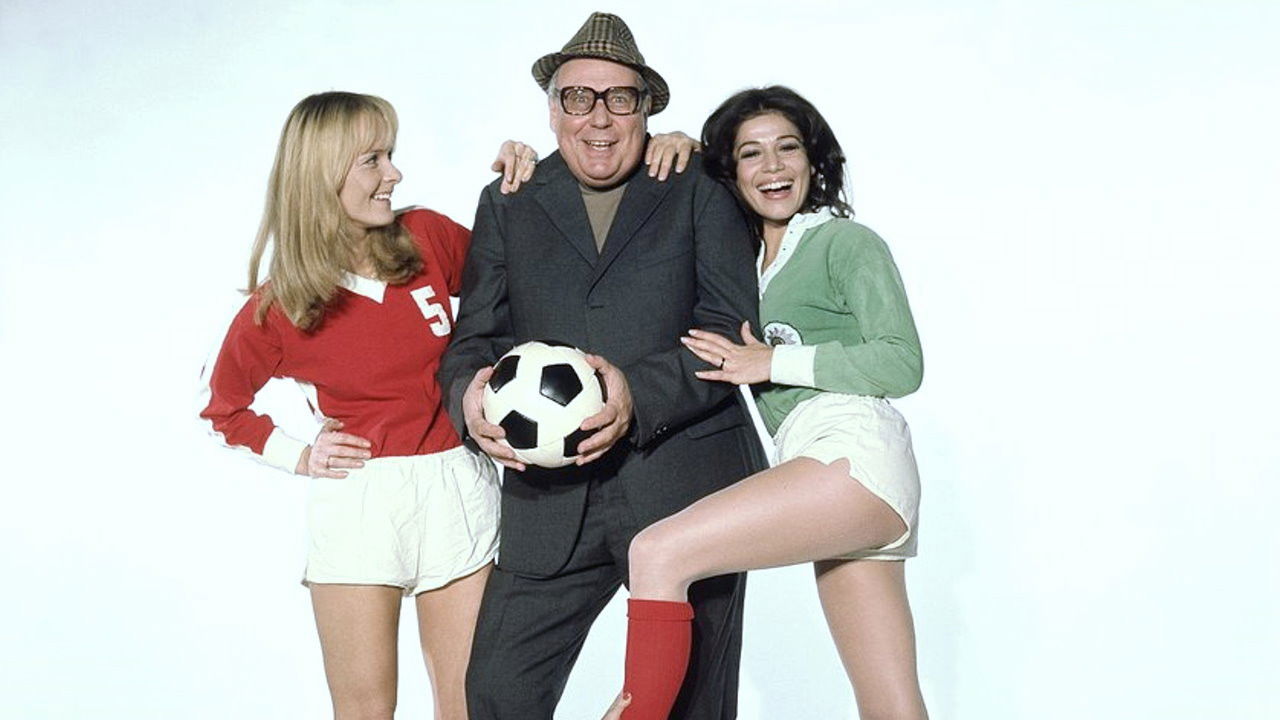
Willi wird das Kind schon schaukeln: Erhardt's Final Comedy Scheme
The annals of cinema are filled with farewell performances, some grand and triumphant, others more understated or even bittersweet. For fans of German comedy, Willi wird das Kind schon schaukeln (1972) occupies a unique and somewhat melancholic spot as the final film starring the legendary Heinz Erhardt. This seemingly lighthearted farce, whose title translates roughly to "Willi will manage it," attempts to deliver classic comedic chaos but is often remembered more for its historical significance as Erhardt's last project than for its critical acclaim. Yet, understanding this film, and the context surrounding its creation, offers valuable insight into the tail end of a remarkable career and the challenges even a comedic genius can face. Many searching for information about this film might type in "Willy Wird Das Kind Schon Schaukeln," highlighting its memorable, if somewhat informal, title. At its core, Willi wird das Kind schon schaukeln embodies a timeless comedic trope: a desperate man devises an elaborate, ill-advised scheme to solve a pressing financial problem, only for the plan to unravel spectacularly when an unexpected element (usually a relative) enters the scene. This film takes that premise and injects it with a distinctly German flavor, starring an icon whose very presence promised laughter, even in what was destined to be a physically challenging role following his stroke.The Desperate Scheme: Unpacking the Plot of Willi wird das Kind schon schaukeln
The narrative of Willi wird das Kind schon schaukeln revolves around Willi Kuckuck, a man whose heart is as big as his financial woes. Willi holds the esteemed, yet ultimately thankless, position of chairman for the local football club, "F.C. Jungborn." Unfortunately, the club is teetering on the brink of bankruptcy, a fate Willi is determined to prevent. His desperation reaches a fever pitch when a neighboring scrap dealer threatens to seize the club's cherished pitch. It's a classic underdog scenario, instantly relatable to anyone who has seen a beloved local institution face closure. Willi's ingenious, albeit morally questionable, solution involves his wealthy aunt, Elvira, who resides in sunny South America. Knowing Aunt Elvira's generosity and desire for her family's happiness, Willi concocts an elaborate fabrication: he informs her that two of his daughters have recently tied the knot. As expected, the doting aunt, overwhelmed with joy, promptly dispatches a substantial sum of money as a "dowry" for each supposed new household. Willi, with the cunning of a seasoned trickster, expertly diverts these much-needed funds directly into the ailing club's coffers, providing a temporary reprieve. However, as is tradition in such farcical plots, the best-laid plans of mice and men (and desperate football club chairmen) often go awry. Aunt Elvira, blissfully unaware of the deception and brimming with familial affection, decides that she must travel from South America to personally congratulate the "newlyweds" and celebrate their happiness. This impending visit sets the stage for a whirlwind of frantic preparations, cover-ups, and comedic misunderstandings as Willi and his family scramble to maintain the illusion, ensuring that hilarity—and potential disaster—ensues. For a deeper dive into the specific machinations, explore Faking Marriages to Save a Club: The Plot of Willi wird das Kind schon schaukeln.Heinz Erhardt's Swan Song: A Glimpse into a Legend's Farewell
For many, the primary draw of Willi wird das Kind schon schaukeln is its star, Heinz Erhardt. A true titan of German comedy, Erhardt was renowned for his unique blend of deadpan humor, clever wordplay, and a perpetually bewildered persona that endeared him to millions. His career spanned decades, marking him as a household name through countless films, radio broadcasts, and stage performances. Sadly, Willi wird das Kind schon schaukeln was filmed under challenging circumstances. Erhardt had suffered a stroke, which significantly impacted his physical abilities and, to some extent, his performance. He lived a very reclusive life after this event, making this film a poignant and somewhat difficult watch for those familiar with his earlier, more vibrant work. Werner Jacobs, the director, faced the unenviable task of crafting a comedy around a star who was not at his physical peak. The film's reception often reflects this context. Critics frequently point to it as one of Erhardt's weaker efforts, citing:- Flat Gags: The humor often felt uninspired and lacked the razor-sharp wit characteristic of Erhardt's best work.
- Cliché Acting: Beyond Erhardt, the supporting cast often resorted to stereotypical portrayals, failing to elevate the material.
- Unsaved Cameo: Even a special guest appearance by German football legend Uwe Seeler couldn't inject the necessary vitality to rescue the film from its perceived shortcomings.
Beyond the Laughter: Why Willi wird das Kind schon schaukeln Divides Audiences
While some dismiss Willi wird das Kind schon schaukeln as simply one of Heinz Erhardt's weakest films, it's worth exploring why this perception holds and what lessons can be gleaned from it. The film's critical assessment often stems from a comparison to Erhardt's earlier, more celebrated works, which were characterized by their effortless charm and brilliant comedic timing. In Willi wird das Kind schon schaukeln, viewers often detect a certain weariness, a struggle to recapture that old magic. The "flat gags" and "cliché acting" aren't just arbitrary criticisms; they speak to a broader issue in comedic filmmaking: execution is everything. A strong premise, like Willi Kuckuck's marriage scheme, can fall flat if the comedic beats aren't perfectly timed, the character reactions aren't authentic, or the dialogue lacks spark. The film attempts to mine humor from frantic improvisation and mistaken identities, but the delivery often misses its mark. This might be attributed to the script, the direction, or even the challenging circumstances of the lead actor.Tips for Appreciating Challenging Cinematic Legacies:
When approaching a film like Willi wird das Kind schon schaukeln, especially one from a beloved artist's twilight years, it's helpful to adopt a different perspective:
- Context is Key: Understand the circumstances surrounding its production. Erhardt's health struggles are crucial context for appreciating his effort.
- Focus on Historical Value: Even if not a masterpiece, it's a piece of cinematic history, completing an artist's filmography.
- Seek Nuance: Are there moments that still shine? Glimpses of the old Erhardt? Even a "weak" film can have redeeming qualities or interesting creative choices.
- Cultural Snapshot: The film offers a look into German popular culture and filmmaking trends of the early 1970s.
The Enduring Charm (and Lessons) of Willy Wird Das Kind Schon Schaukeln
Despite its mixed critical reception, Willi wird das Kind schon schaukeln holds an undeniable place in German film history. It serves as a testament to Heinz Erhardt's enduring legacy and his dedication to his craft, even when facing significant personal challenges. For those interested in the complete filmography of such an iconic actor, it's an essential watch, providing closure to a remarkable career. Beyond its historical significance, the film, when viewed through a modern lens, can offer interesting insights:- The Perils of Deception: It's a classic comedic exploration of how quickly a small lie can snowball into an unmanageable crisis, a theme that remains relevant.
- The Power of Community: Willi's extreme measures, however misguided, stem from a genuine desire to save his beloved football club, highlighting the importance of community institutions.
- Filmmaking Challenges: It offers a subtle lesson in the difficulties of translating comedic potential into successful execution, especially under challenging production circumstances.